Empowering individuals and organizations through comprehensive training programs, skill development, and knowledge transfer initiatives.
Tatweer Graduate Program2012
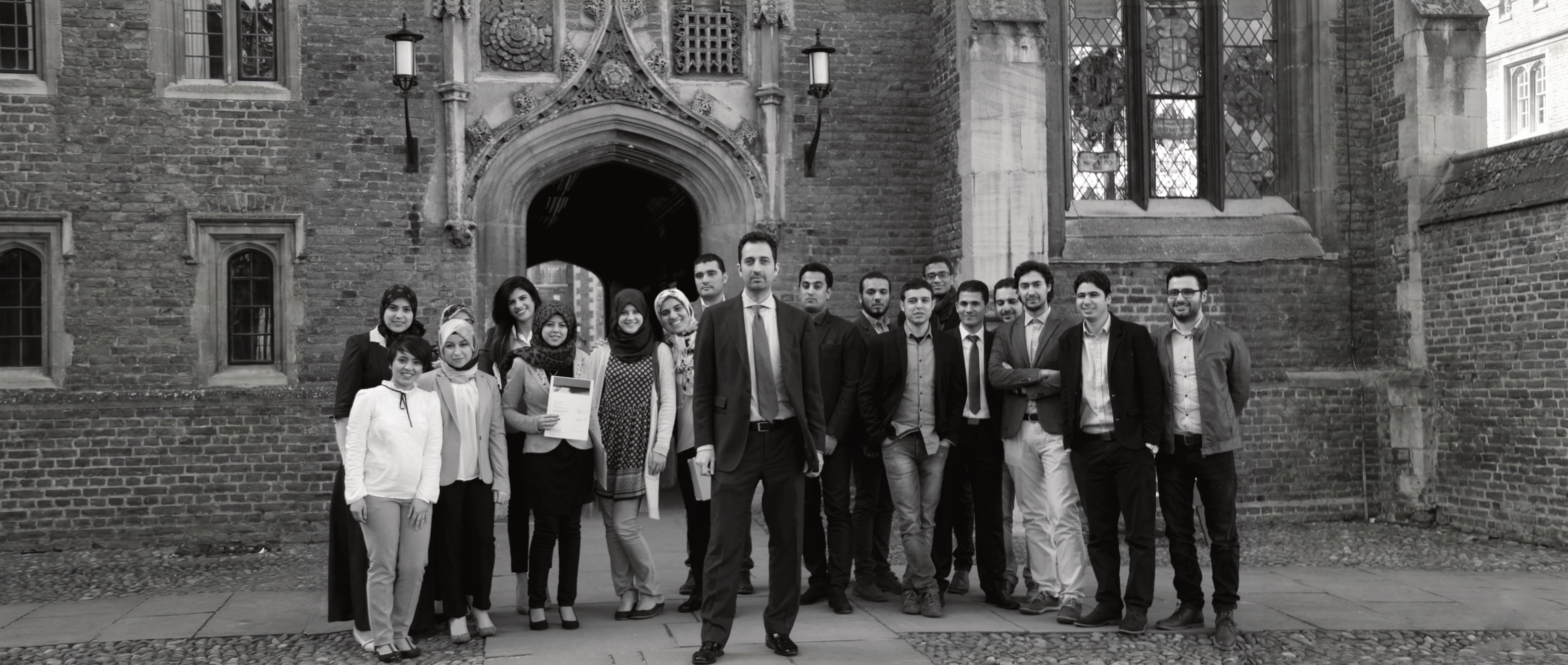
The Tatweer Graduate Program is a training initiative developed with the University of Cambridge and partnered with the Cambridge Judge Business School. It aims to provide recent graduates with an exceptional learning experience, honing their professional acumen and equipping them with essential skills.
The program includes rigorous training with a practical component, immersing participants in international work environments with prominent companies like Land Rover and Jaguar in the UK.
An initial screening process led to 240 applicants being shortlisted. The final selection involved a comprehensive evaluation process, including personal interviews and assessments. Ultimately, 23 exceptional candidates were chosen for the program.
-24.png&w=256&q=75)
-22.png&w=256&q=75)
Coding for Children
The project was designed to provide children with basic skills. It helped them develop their thinking through curricula that were taught in an engaging and distinctive manner. Scientific and practical lessons were presented in a way that was both entertaining and informative.
The project aimed to assist children in transitioning from being passive users of technology to becoming passionate and skilled inventors. To achieve this, the project focused on training teachers who would deliver these curricula, collaborating with a global center of expertise to equip them with the necessary skills to communicate complex information clearly.
The project was piloted in 15 private schools in Benghazi, and the results were positive and consistent with expectations. The outcome demonstrates that the project was successful in achieving its goals.

Tamkeen
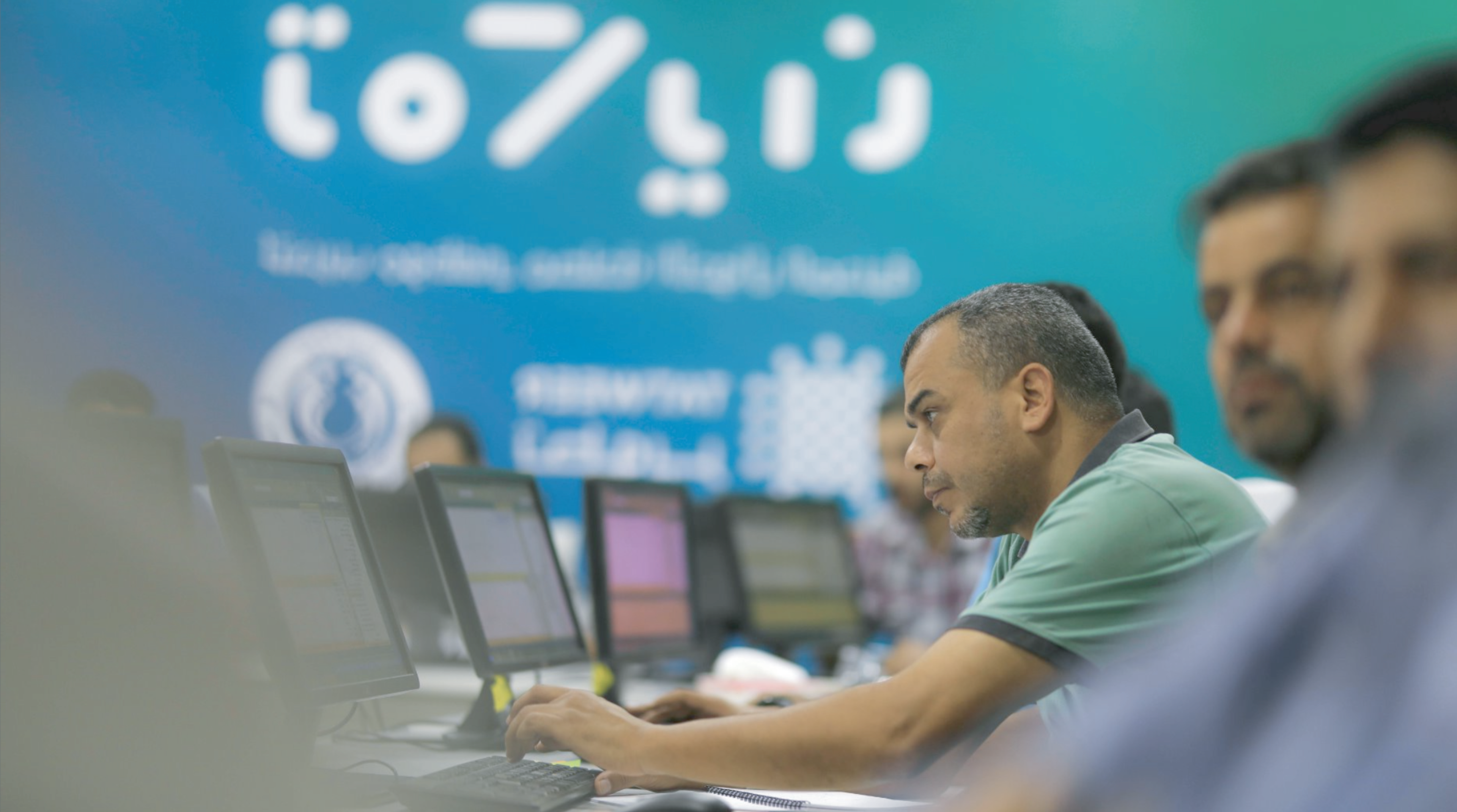
Tatweer Research, in partnership with the Civil Registry Authority (CRA), launched this training project in 2020. Tamkeen aimed to elevate the skills and efficiency of over 800 CRA employees stationed in multiple cities across Libya. Through this program, our team delivered targeted training on administrative and technical aspects, enabling CRA staff to provide superior service delivery across various branches.
Implemented in more than 7 Libyan cities, the project demonstrated a significant impact on the employees and ultimately, the citizens they serve.
participants in the management training
participants in the technical training
Tatweer Research, in collaboration with the World Food Programme, developed Masar, a comprehensive mini-training program designed to empower low-income families to break the cycle of poverty. By equipping them with skills through three specialized training courses, we aimed to foster economic self-sufficiency and independence, thereby reducing the reliance on aid.
The project was developed in close collaboration with local stores and charities, ensuring that participants gained valuable practical experience and enhanced employment opportunities. The program provided essential tools for them to succeed, such as electrical ovens and sewing machines, thereby bridging the gap between education and employment.




participants in mobile repair training

participants in sewing training

participants in pastry training
Qader
Tatweer Research partnered with the Libyan Program for Integration and Development in 2013 to launch the Qader training program, a pioneering initiative aimed at rehabilitating individuals affected by Libya's internal conflicts. The program sought to equip these individuals with the professional skills necessary to reintegrate into society, focusing on core areas such as English language proficiency, computer literacy, and human development.
This landmark program was one of the largest and most extensive training initiatives undertaken by Tatweer Research, with a wide reach across multiple communities.
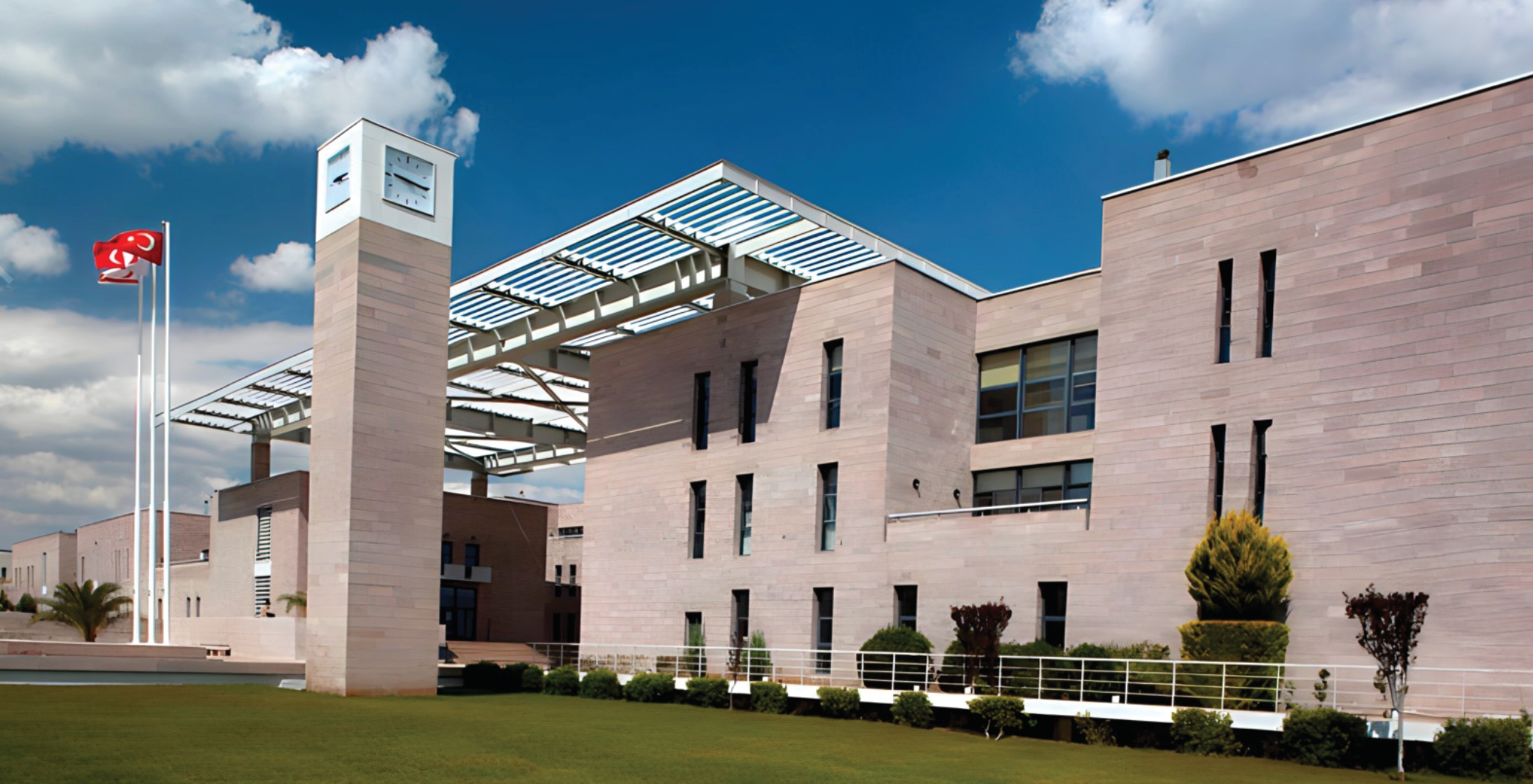
Middle East Technical University (METU)
participants in the second phase
participants in the first phase
Libyan cities
Leaving No One Behind
Tatweer Research joined forces with Cesvi to leverage its training expertise and contribute to the empowerment of civil society organizations through the "Leaving No One Behind" project, generously funded by the European Union. Spanning from 2021 to 2024, our collaboration aimed to build the capacity of civil society organizations in eastern and southern Libya.
During this period, we conducted a comprehensive relevance assessment of over 150 organizations, identifying the top 10 most in need of organizational development. We targeted organizations operating in key cities, including Derna, Benghazi, Tobruk, Ajdabiya, Bent Bayyah, Al-Ghuraifeh, Al-Qurdah, and Ghat.
We designed an integrated training curriculum tailored to the specific needs of these organizations, focusing on strategic planning, organizational development, project cycle management, financial management, communication, and laws governing civil society. This was followed by hands-on training sessions delivered in Benghazi and Sabha. The second phase of the project entailed developing a customized enhancement plan for each organization, equipping them with the skills to track their progress through individual mentoring sessions. Our support also included establishing an operational framework to ensure the continued sustainability of these organizations.
hours of mentoring
hours of training
training modules
selected CSOs
CSOs targeted with relevance assessment



We implemented a mentorship scheme that dispatched a team of expert mentors to visit civil society organizations at their own locations. This created a comfortable environment where they could receive tailored guidance, meeting their unique needs. We also organized collective mentorship sessions, bringing together all participating organizations from the targeted areas for an intensive week-long program. These group sessions fostered opportunities for knowledge sharing, collaboration, and communication among them.
Upon the completion of the mentorship program, I personally visited each organization to conduct a comprehensive evaluation. The results showed remarkable progress in their administrative and technical capabilities. I am thrilled by this outcome and believe that with continued support, we can empower Libyan civil society with the skills necessary to build thriving organizations.
Ehab Ben Essa
Mentorship Support Specialist
Leaving No One Behind