EU and CESVI Empower Civil Society Through Targeted Mentorship in Libya
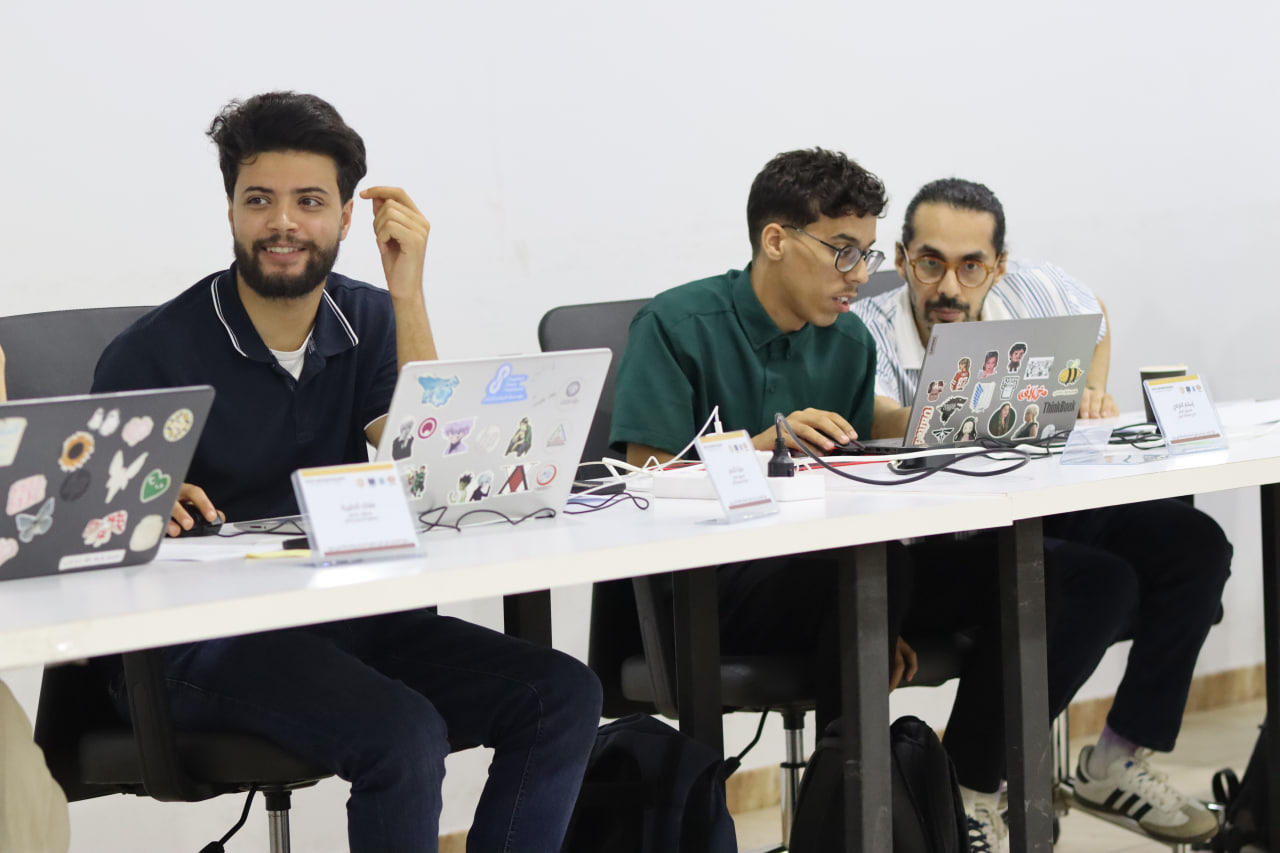
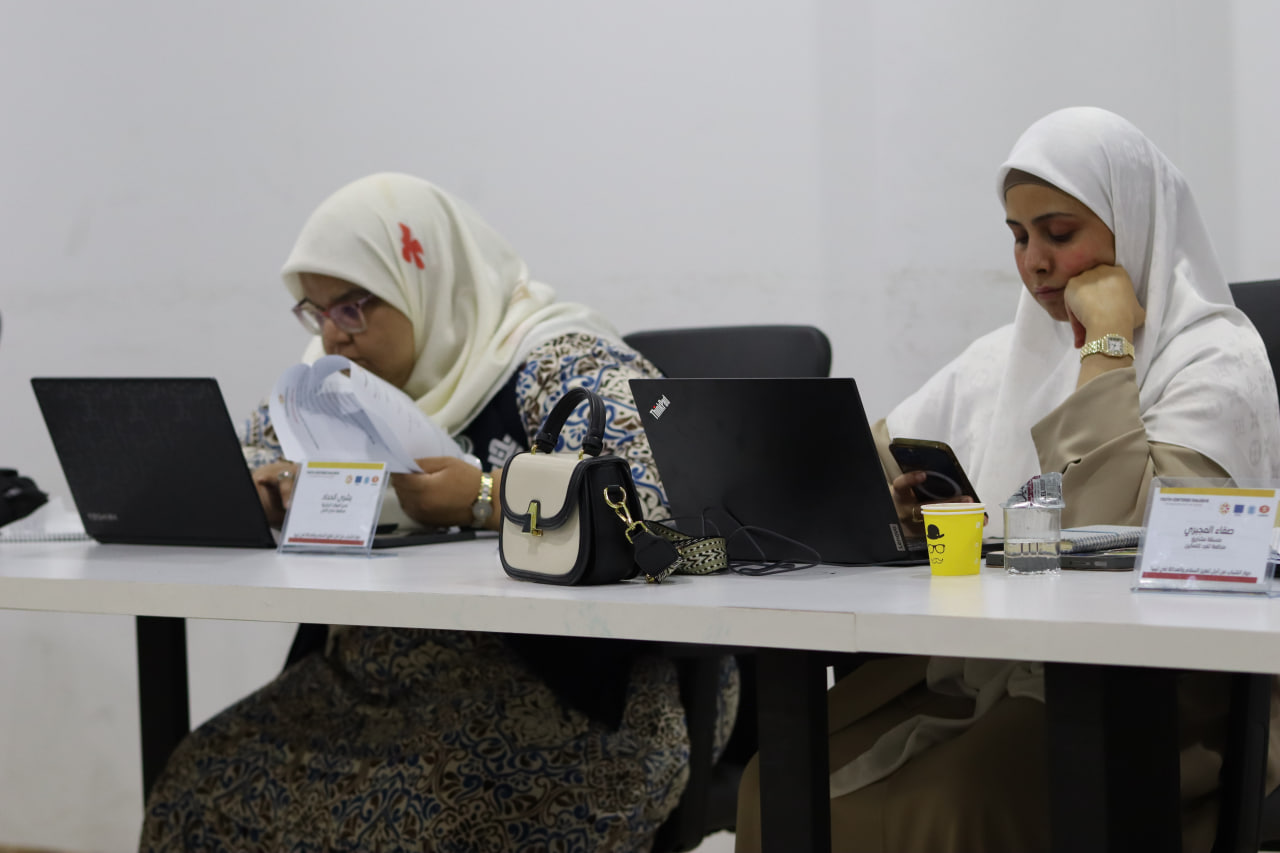
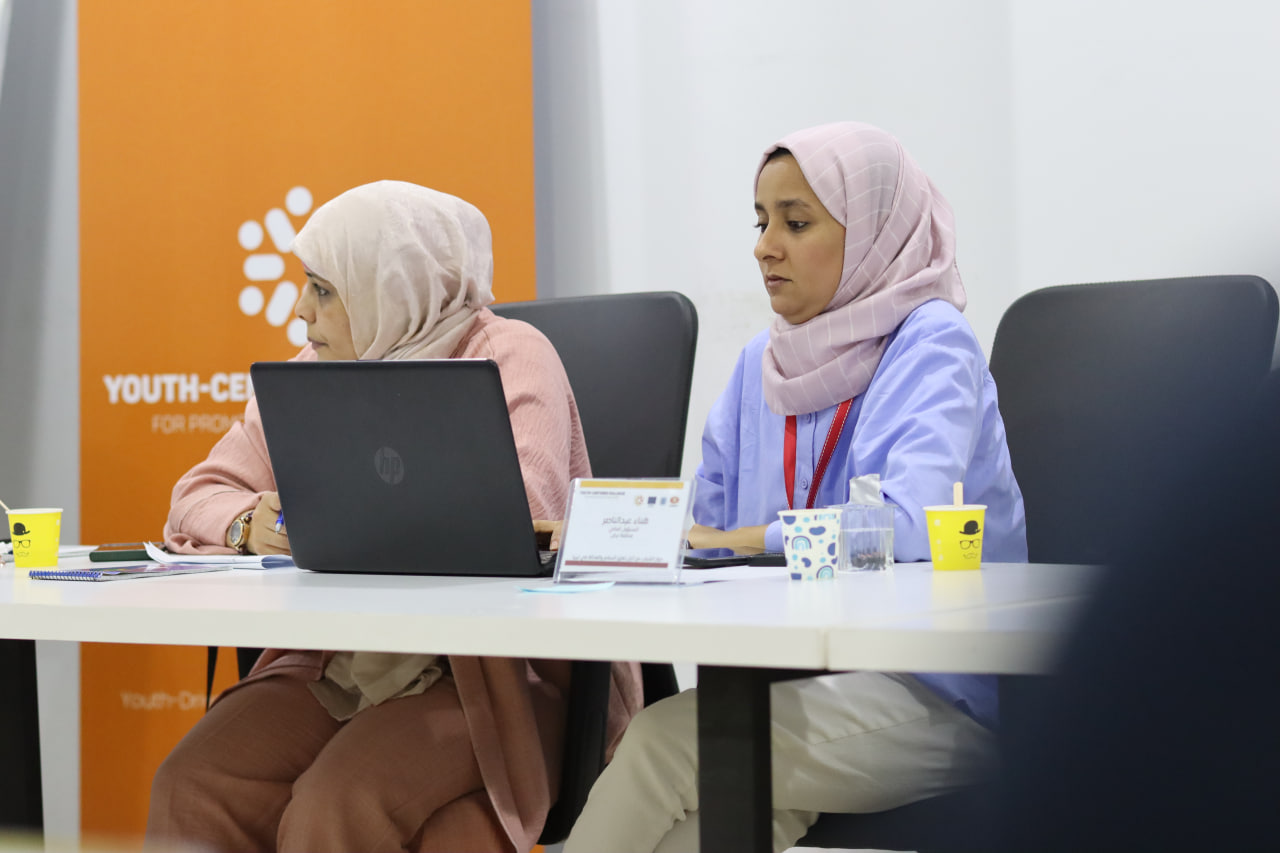
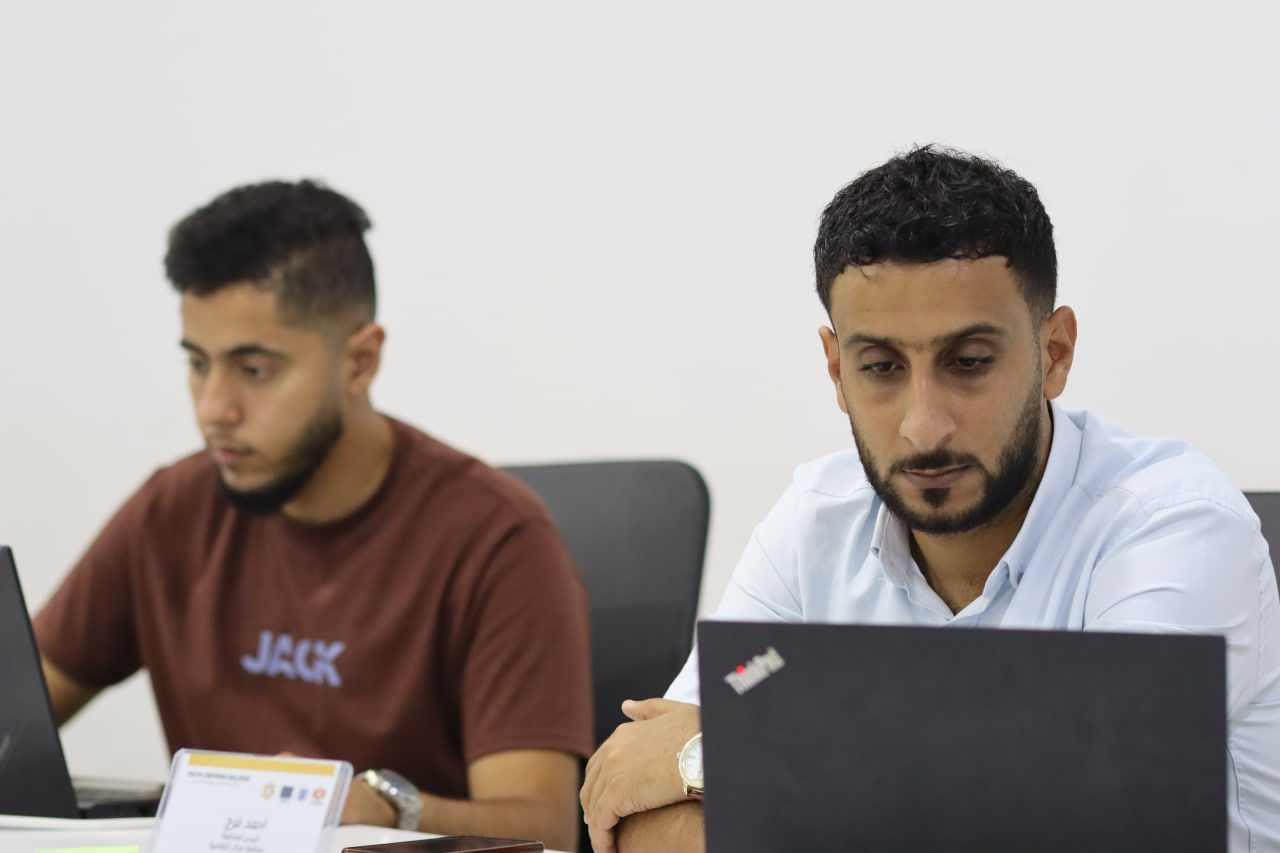
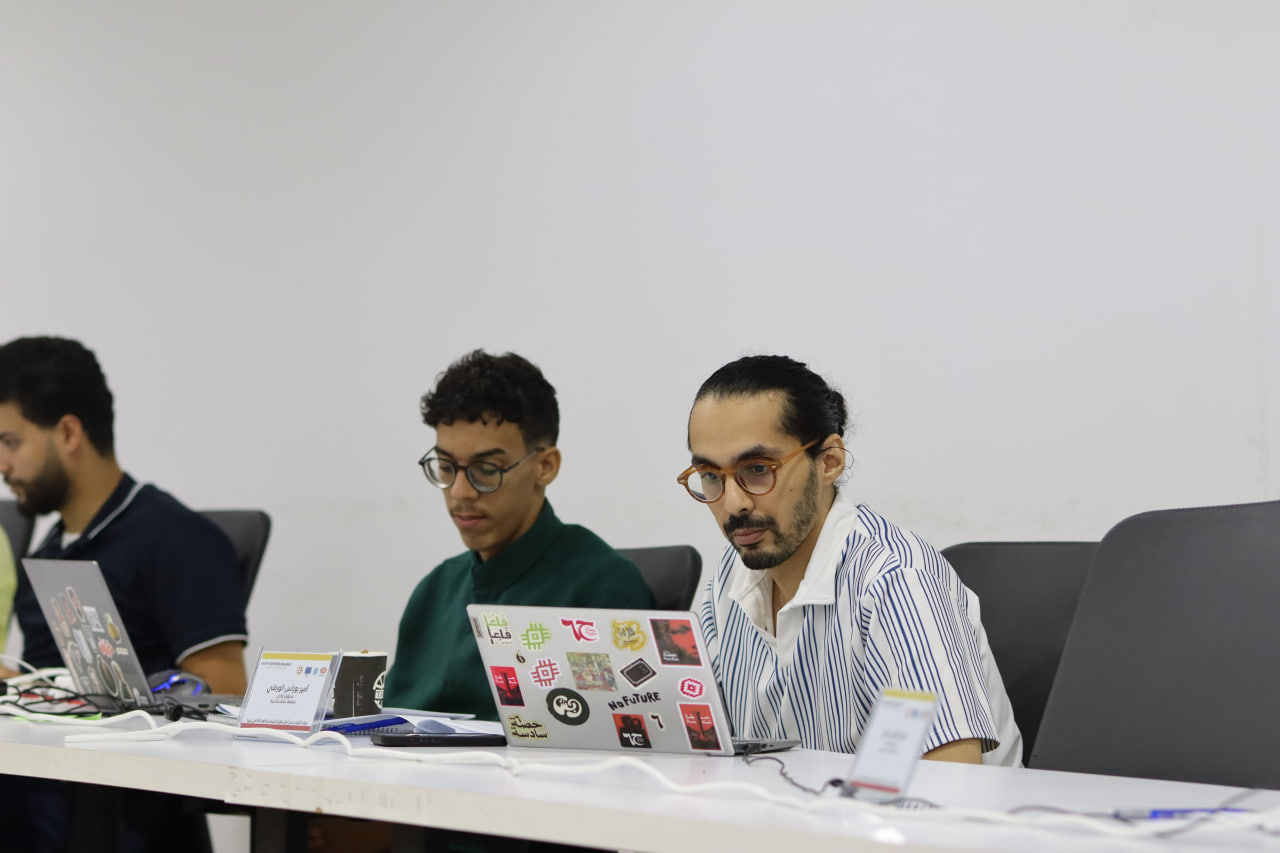
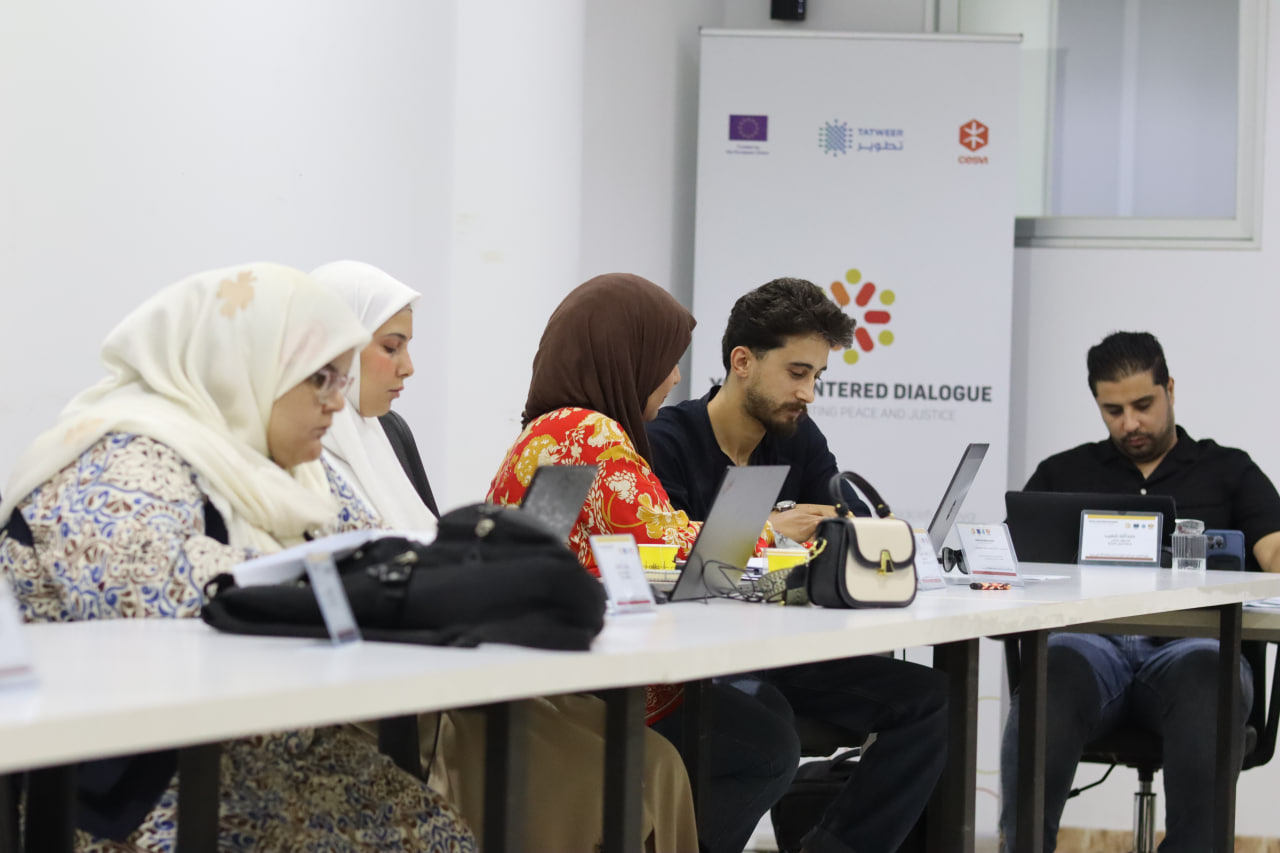
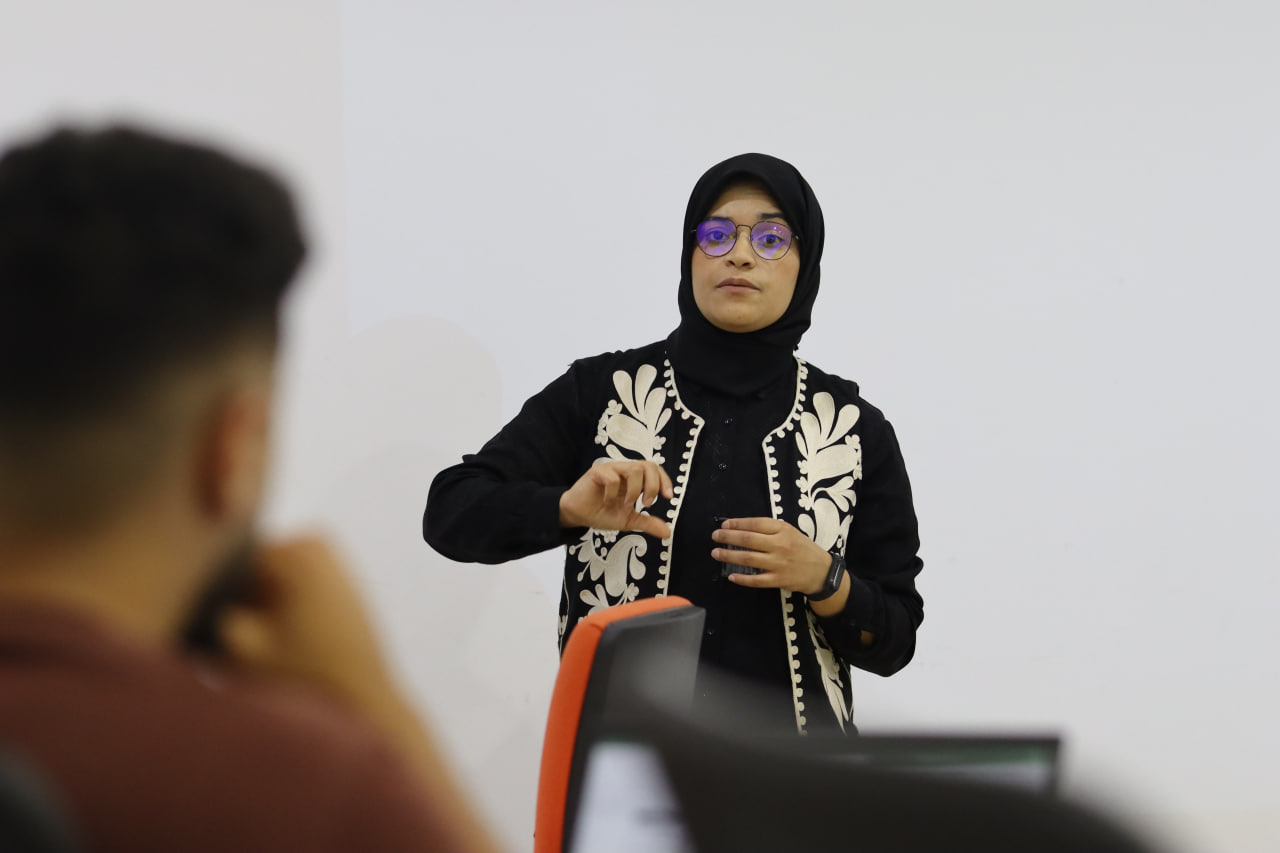
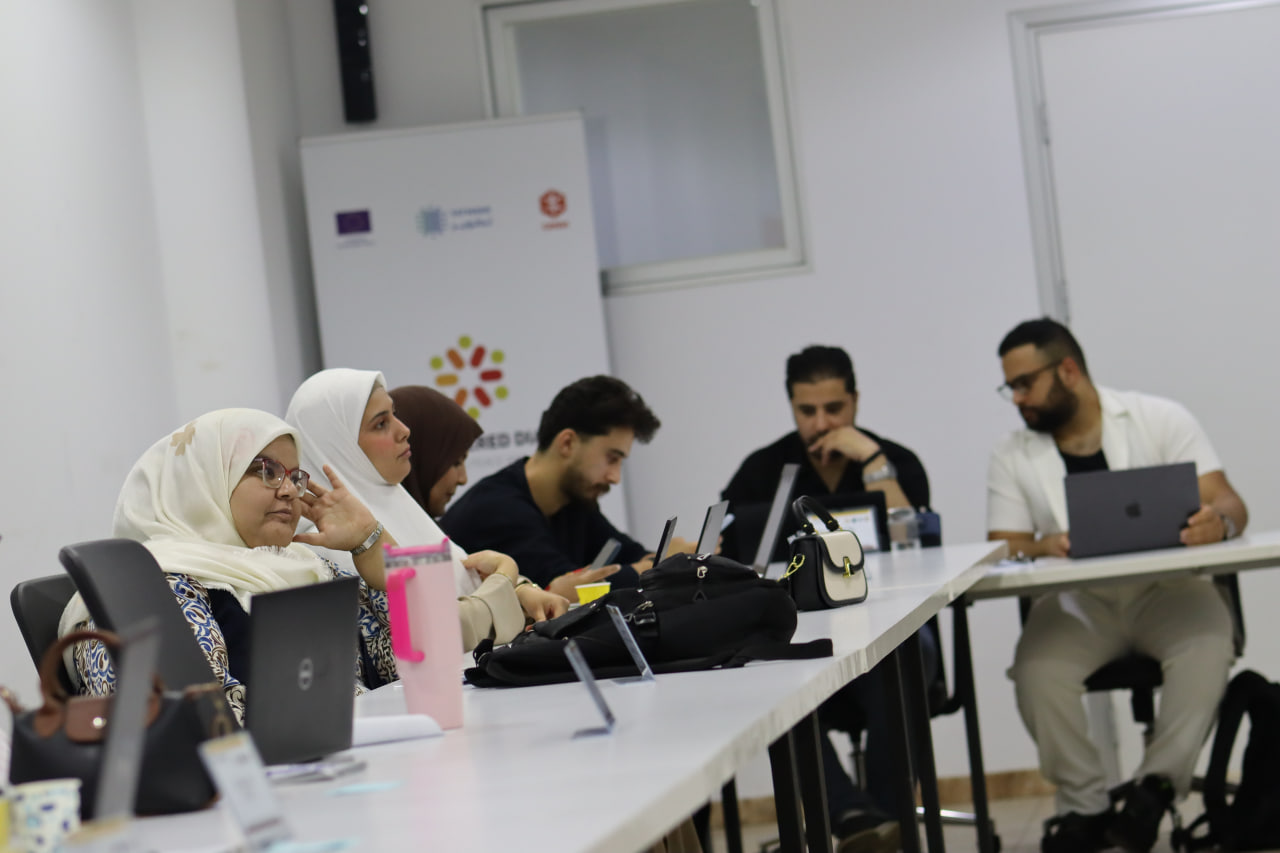
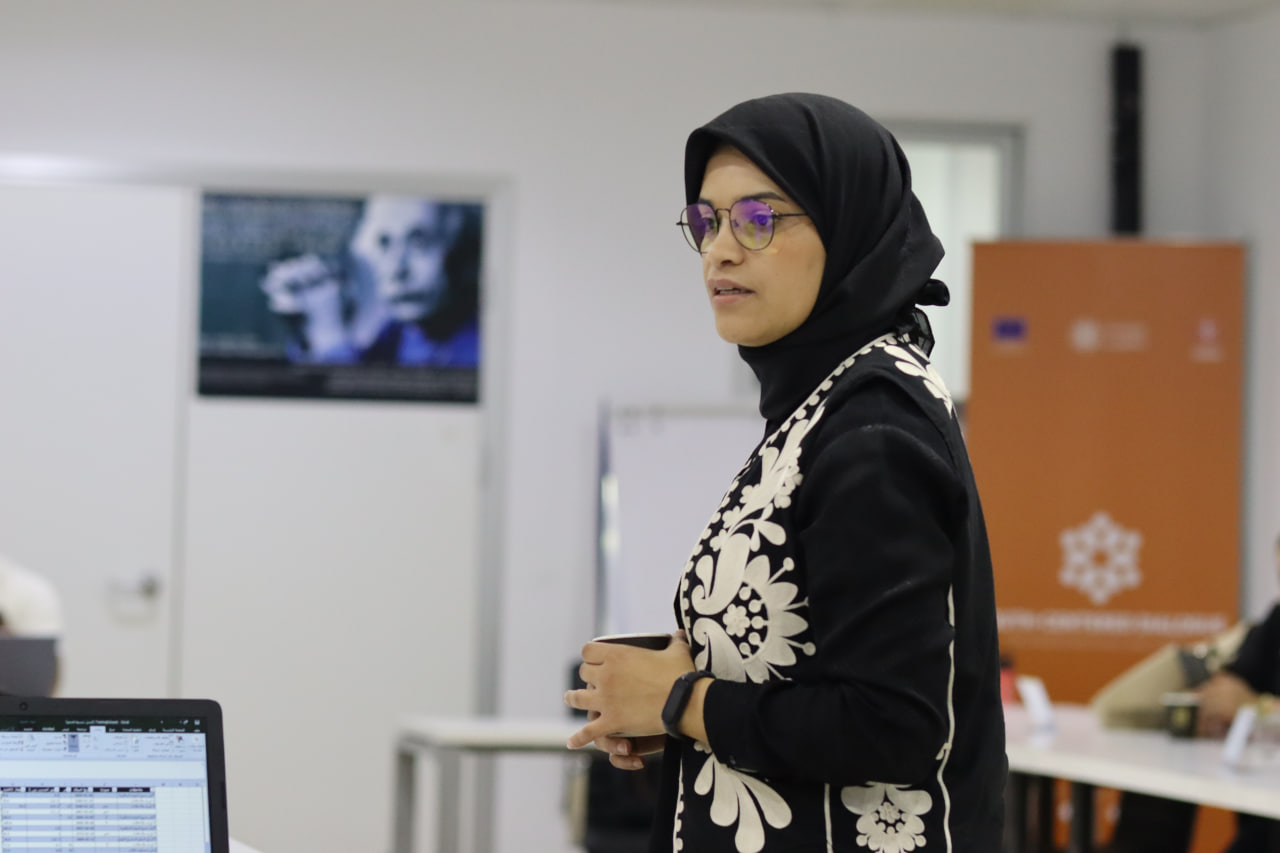
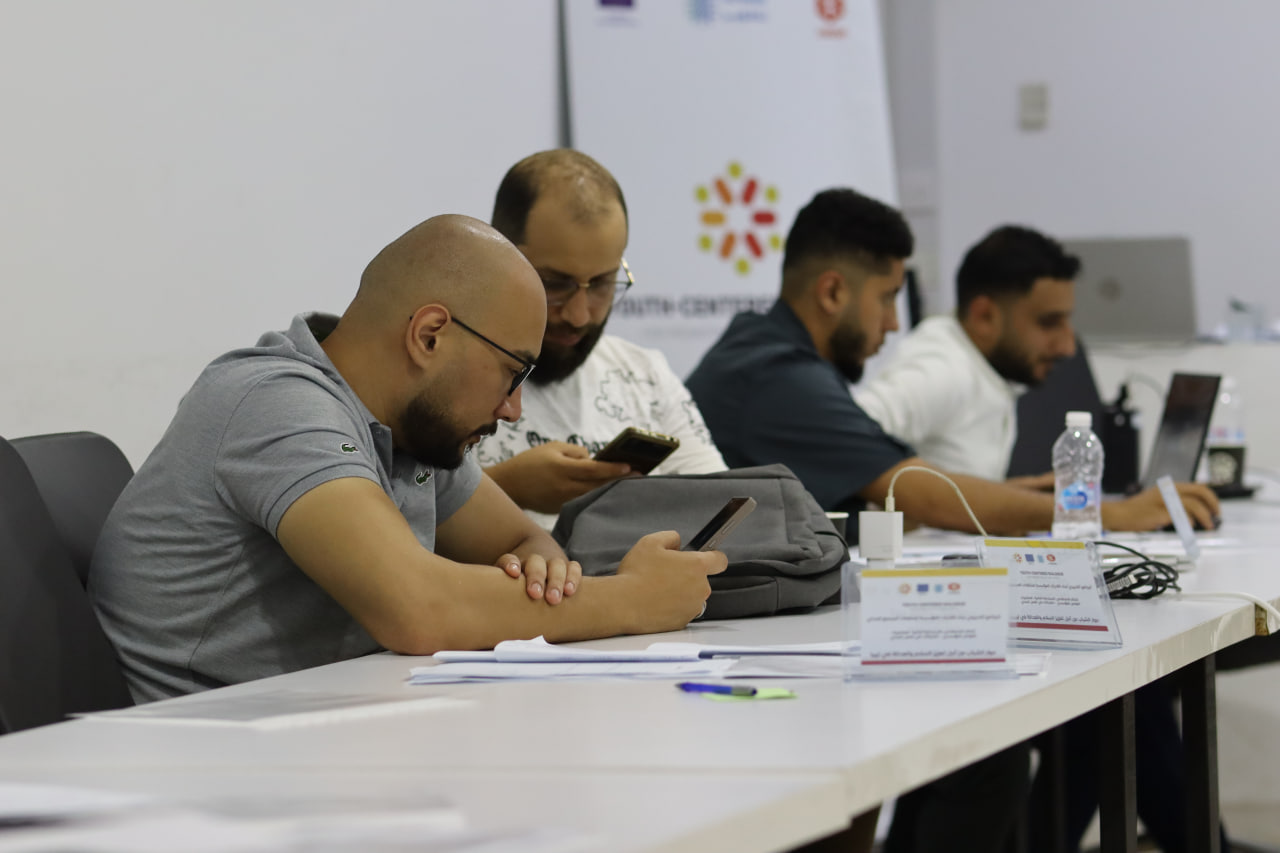
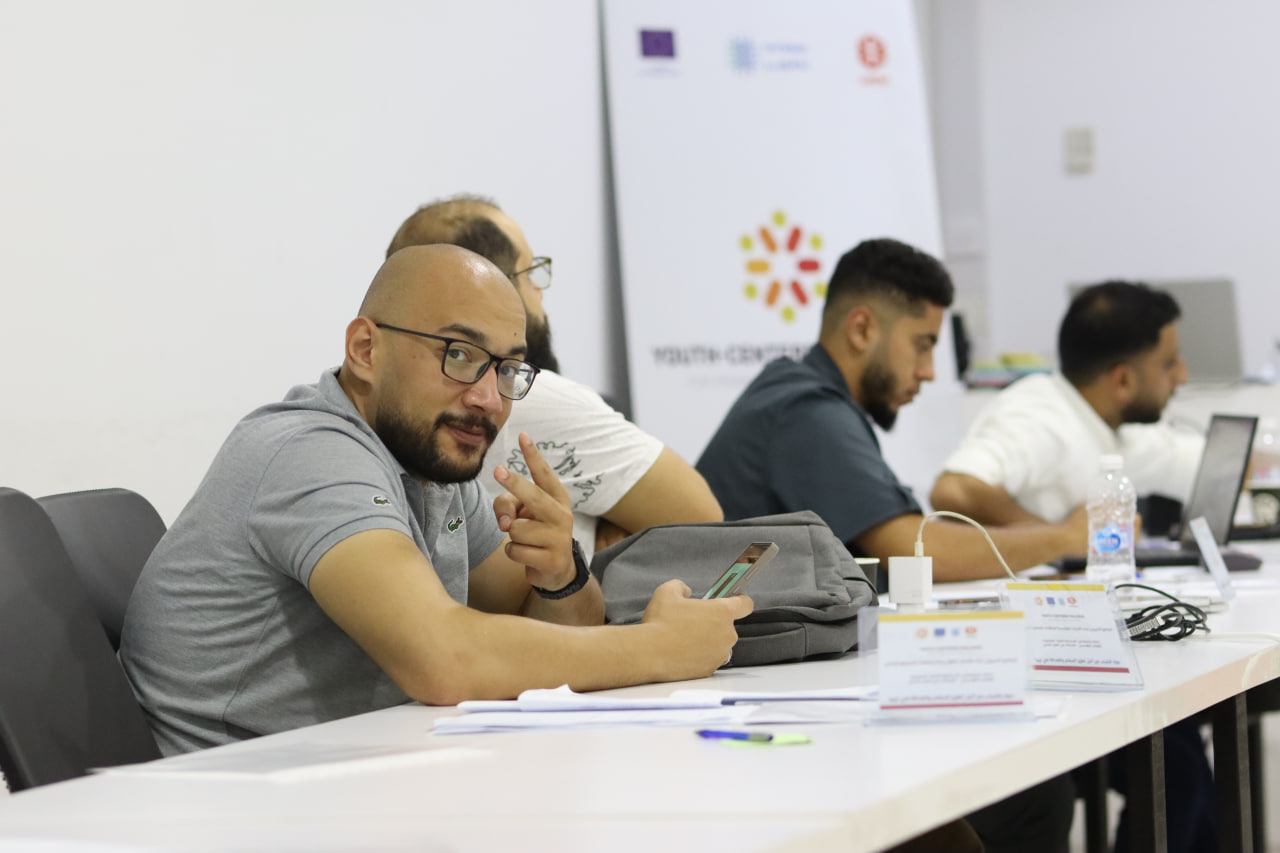
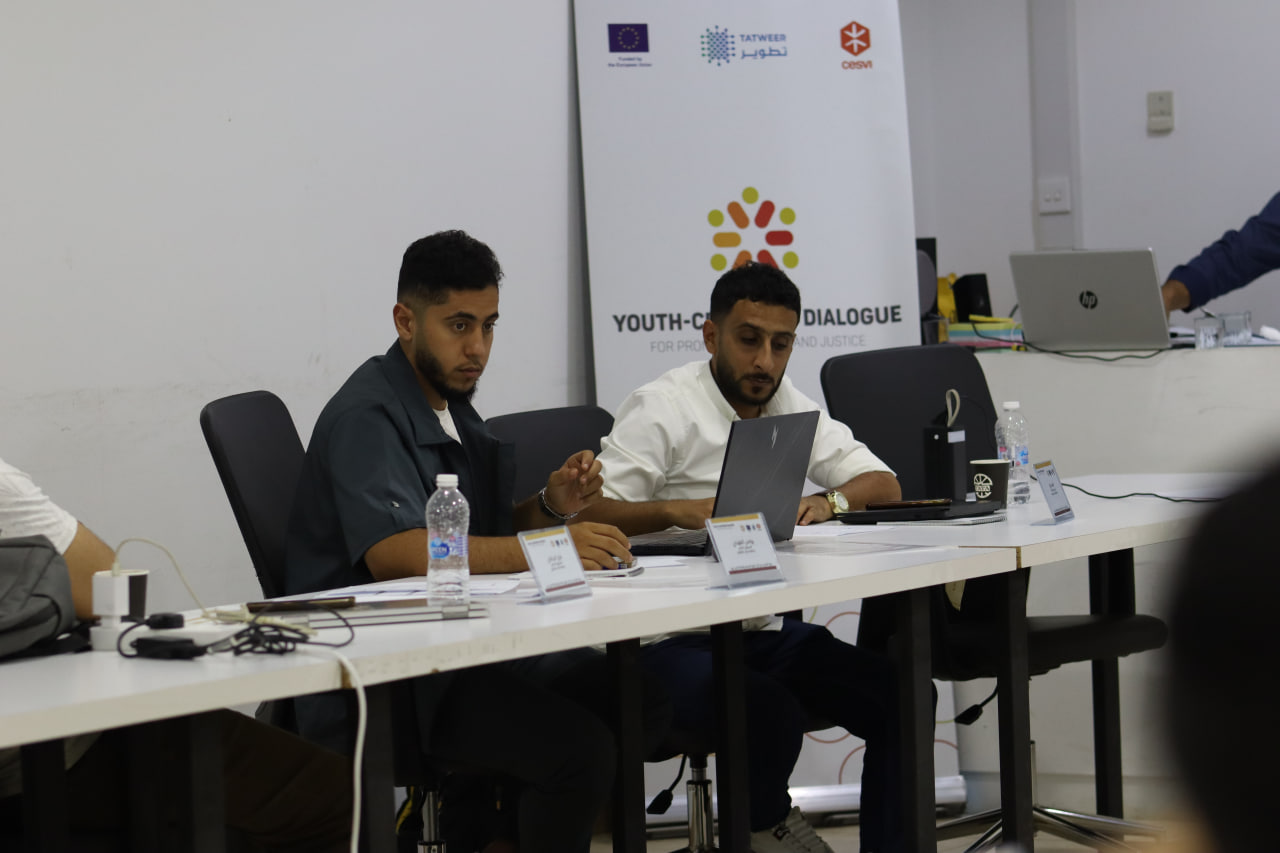
Benghazi, Libya — 18 September 2025 — From 15 to 17 September 2025, the Youth-Centered Dialogue for Peace and Justice in Libya project, funded by the European Union and implemented by CESVI in partnership with Tatweer Research, hosted an intensive mentorship program designed to strengthen the organizational and strategic capacities of Libyan civil society organizations (CSOs).
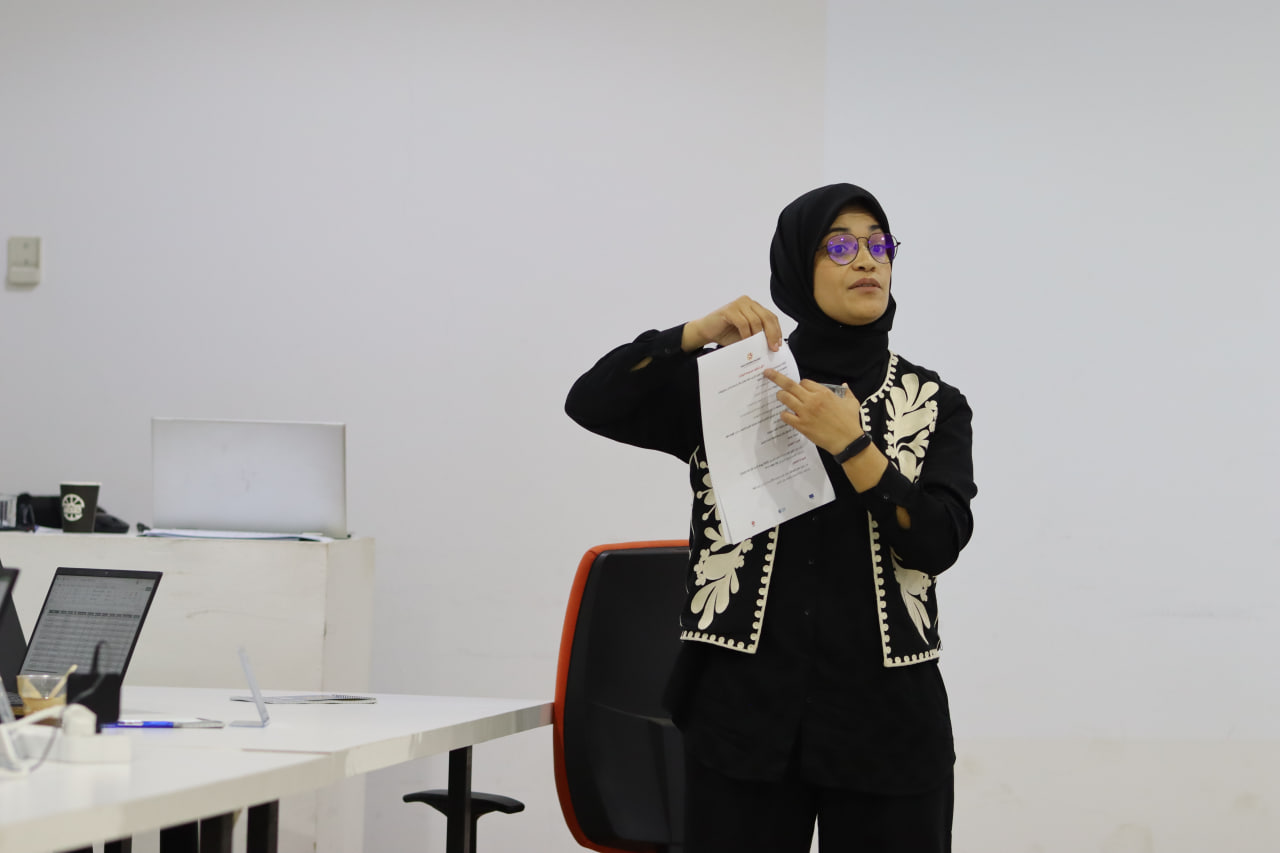
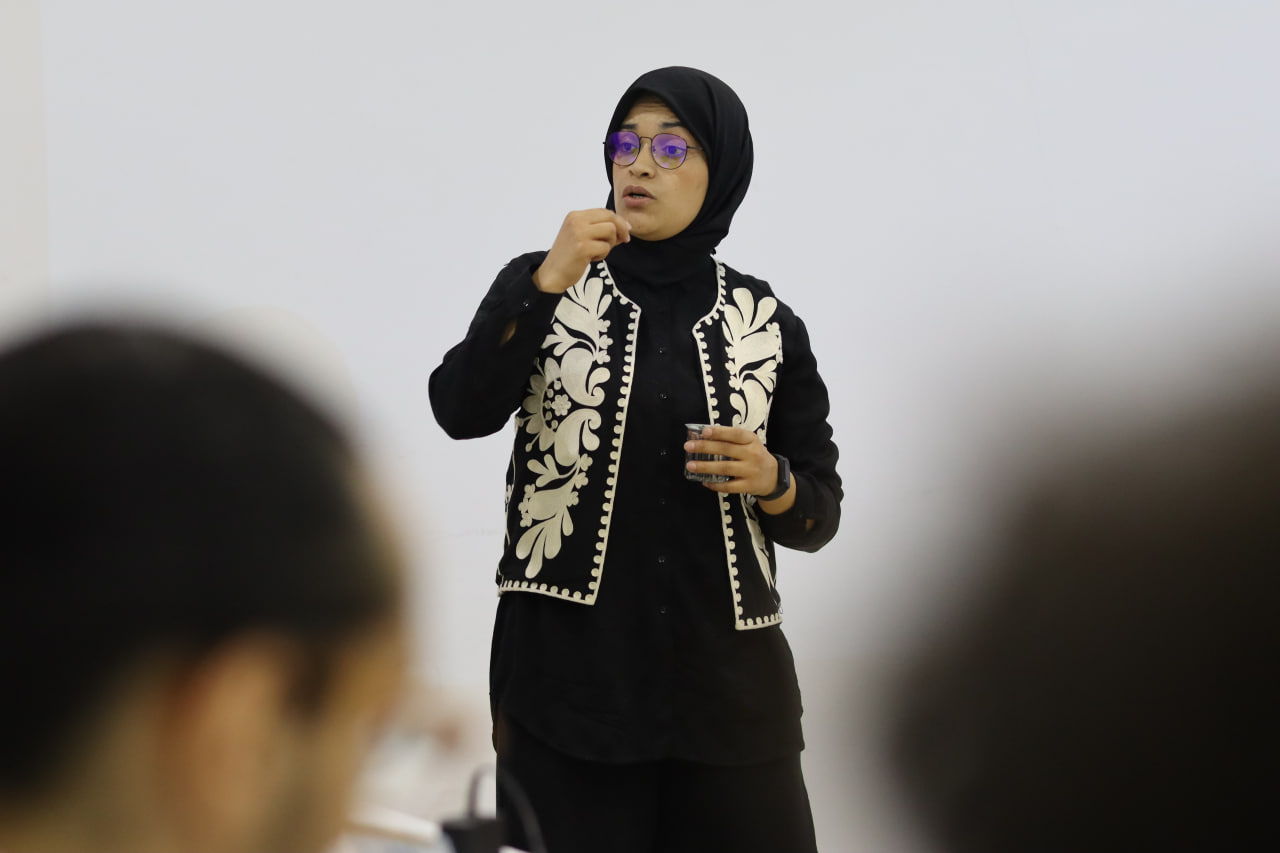
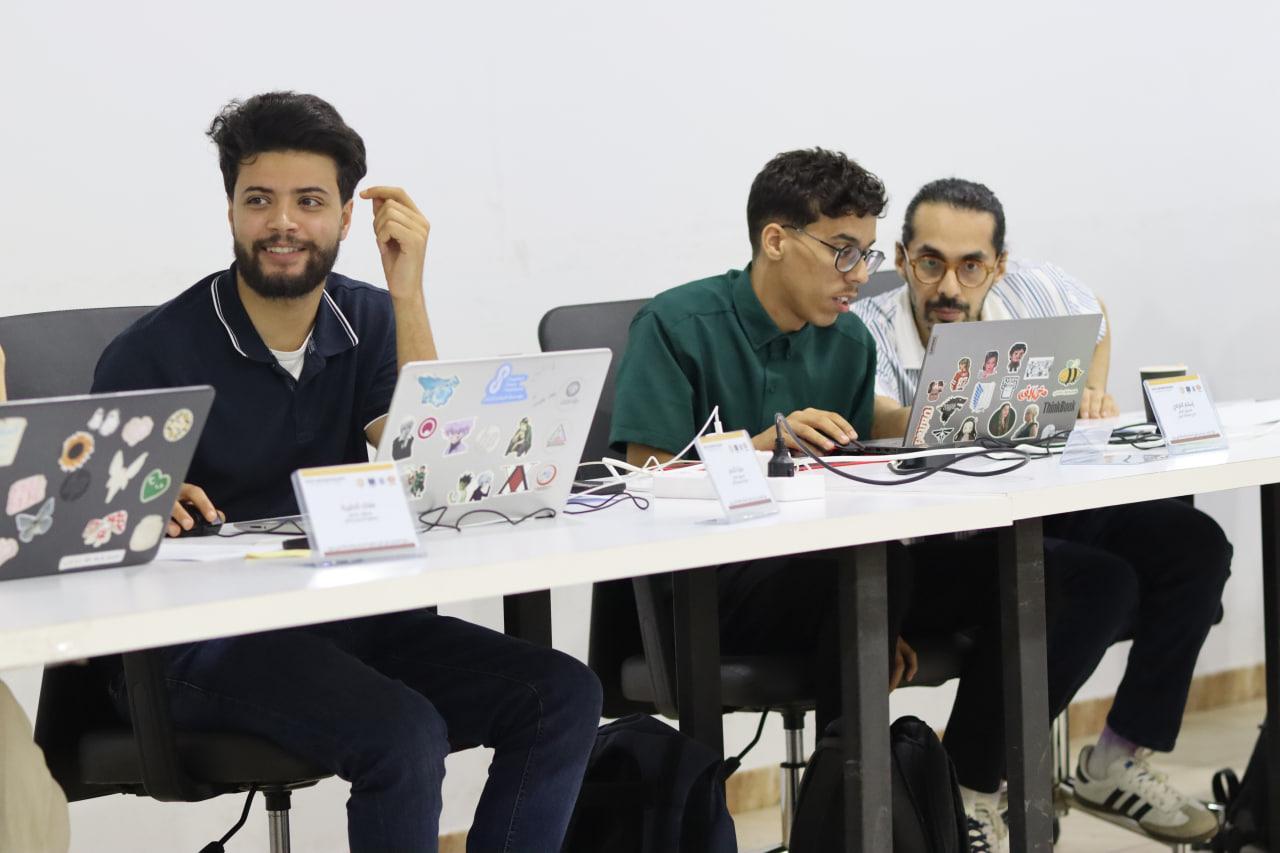
The program built on the results of the recently completed organizational needs assessment, which identified key strengths and gaps across 12 participating CSOs. Over three days, 16 tailored mentorship sessions, eight hours per day, addressed priority areas such as governance, financial sustainability, fundraising and resource mobilization, human resource management, communication strategies, and partnership-building.
Among the participants was the National Organization of Amazons Libya, which recently launched a digital transformation training program reaching 54 students in its first two courses, with plans to engage 250 young people overall. Early results showed knowledge levels rising from 43.6% pre-training to 78.3% after the course, a 34.7% improvement.
Senat Al-Qura'a (Making Readers) implemented its "Ambassadors of Reading" program with 88 children and youth across three thematic stations on history, literature, and climate. Evaluations showed that 93.3% of participants rated the history station as excellent, while 93.8% reported stronger knowledge of Libyan identity and culture.
Environmental action was represented by Tafarrud for Empowerment, which reached 60 children and adolescents through sustainability awareness sessions. The sessions introduced concepts of environmental protection and sustainable development, and the organization is preparing for a larger training phase.
In Derna, Nabd Identity & Heritage for Development and Empowerment ran its "Be Positive" program for 131 participants (71 women, 60 men, ages 16–35), focusing on life skills, professional development, and cultural identity. Participants reported stronger confidence, leadership, and readiness to launch community initiatives, with several personal success stories highlighting tangible growth.
Other youth-focused initiatives also stood out. Hope Makers Foundation, through its "Mind Spark" project, engaged 126 children in workshops on psychosocial support, plant care, coding, and robotics. Parents and children reported overwhelmingly positive feedback, with skills strengthened across technical, emotional, and environmental areas.
Hessa 6 focused on creative industries, training 30 young people in character design and pixel art. Eighty percent of participants rated the workshops as excellent, and the program encouraged inter-city exchange with participants traveling from Tripoli.
At the university level, Med.ly Association launched Research & Social Accountability Clubs across four universities. So far, 35 students have completed training in research design, ethics, and scientific writing, out of over 120 registered, with female participation exceeding 75%. The group also signed a cooperation agreement with Al-Salam International University.
The Libyan Debate Club brought 89 students (56 male, 33 female) into intensive training on debate and critical thinking, complemented by public debates that engaged over 30 community members per session. The program equipped young people with confidence to discuss critical national issues, from fuel subsidies to climate change.
Similarly, Majaal Foundation, through its "Farasa" project, has already trained 74 participants (48% female, 52% male) in Excel skills and interactive training methods, with most participants scoring above 75% in final assessments. Despite city-wide power outages, the organization maintained course delivery, ensuring continuity for learners.
Finally, April Health Awareness Foundation, implementing the "Wifaq" project, trained 51 youth leaders in dialogue and conflict management. Assessments showed knowledge levels rising from 45% before the sessions to 92% afterward, while participants' confidence in managing difficult dialogues nearly doubled, from 2.3 to 4.5 on a five-point scale.
The mentorship program placed a strong focus on inclusivity, with dedicated discussions on gender equity, youth participation, and community engagement. Each CSO received personalized guidance and practical tools to improve policies, procedures, and long-term sustainability strategies. Follow-up sessions are planned to ensure organizations can apply what they learned and track progress against their development plans.
By combining capacity-building with peer-to-peer support, the EU and CESVI aim to empower Libyan CSOs to play a more active role in promoting peace, justice, and social cohesion.
Gallery